By Carly Slager
I was one of the many people who picked up crochet during the pandemic; I was bored, the world was ending, and I found myself irresistibly charmed by the bucket hats and crop tops that started popping up across my social media feeds. The internet can be a toxic and alienating place, and crochet communities felt like comparatively warm and wholesome spaces. There’s an undeniable appeal to crochet and other hand crafts – crochet is in many ways the natural answer for a generation disenchanted with the artificiality of the online world, fitting neatly into the idyllic, romanticized vision of rural simplicity that has grown so popular in recent years. With the increasing number of tutorials and patterns on the Internet, it’s an easily accessible craft to pick up, and the organic nature of crochet stitches allow for a wide range of creative expression, from modifying existing patterns to working completely freehand.
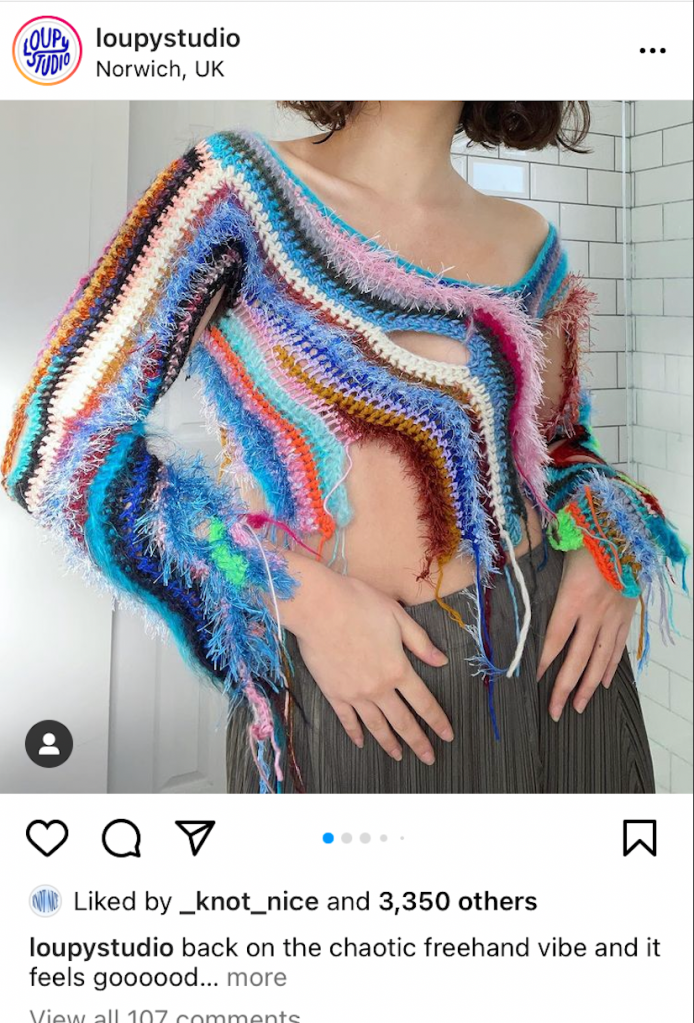
Authenticity is a rare commodity on the Internet, and the perceived authenticity of crochet is one of its most endearing qualities. Unlike many other forms of hand craft, it cannot be faked. Whereas processes such as knitting and weaving can be mechanized, no machine currently exists that can imitate handmade crochet. But the fact that crochet can only be created by hand has had some problematic consequences now that the trend has trickled down to fast fashion brands. Unfortunately, even trends started with the purest and most wholesome of intentions can quickly sour on the Internet. As much fun as the trend can be, there are a few things consumers should be aware of when shopping for crochet garments.
Because the process of crochet cannot be automated, none of the labor involved in producing low-cost and low-quality crochet goods can be outsourced to machines. Each and every garment must be painstakingly hand stitched, which has disturbing implications when fast fashion brands sell crocheted garments for as little as $20 – put simply, the only way that companies could turn a profit on hand-crocheted garments with prices like these is by exploiting and underpaying their workers. As beautiful and unique as crochet pieces are, if a price seems too good to be true, it probably is.
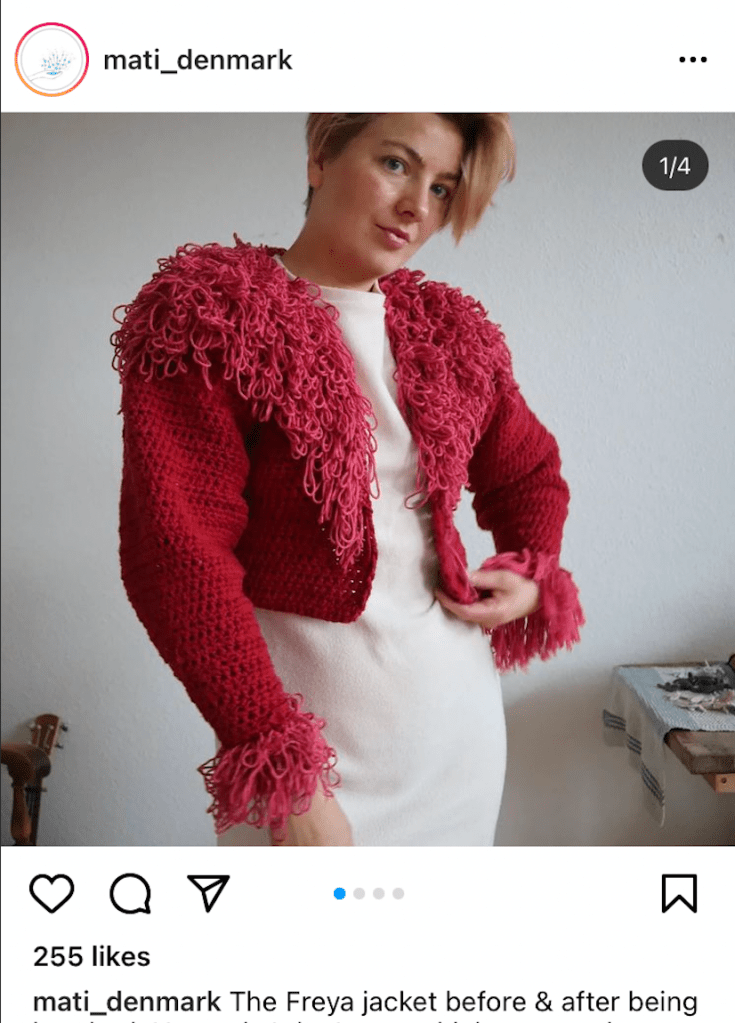
However, if you love the crochet look, there are still lots of ways to take part in the trend ethically! First of all, there are thousands of incredibly talented creators who sell their work online, on websites like Depop and Instagram – the prices will naturally be higher than fast fashion brands, but your money will go to supporting artists and small business owners. @loupystudio, @mati_denmark, and @sulknitwear are two of my favorite creators, but there are endless more! If that isn’t accessible to you, learning to crochet can be incredibly fun and rewarding, and is a great way to stave off boredom. Here’s are a few tutorials to get you started:
And if none of these options appeal, befriend me and I’ll make you a bucket hat!
 cufashionsociety.com
Leave a comment