By: Michael Shavelle
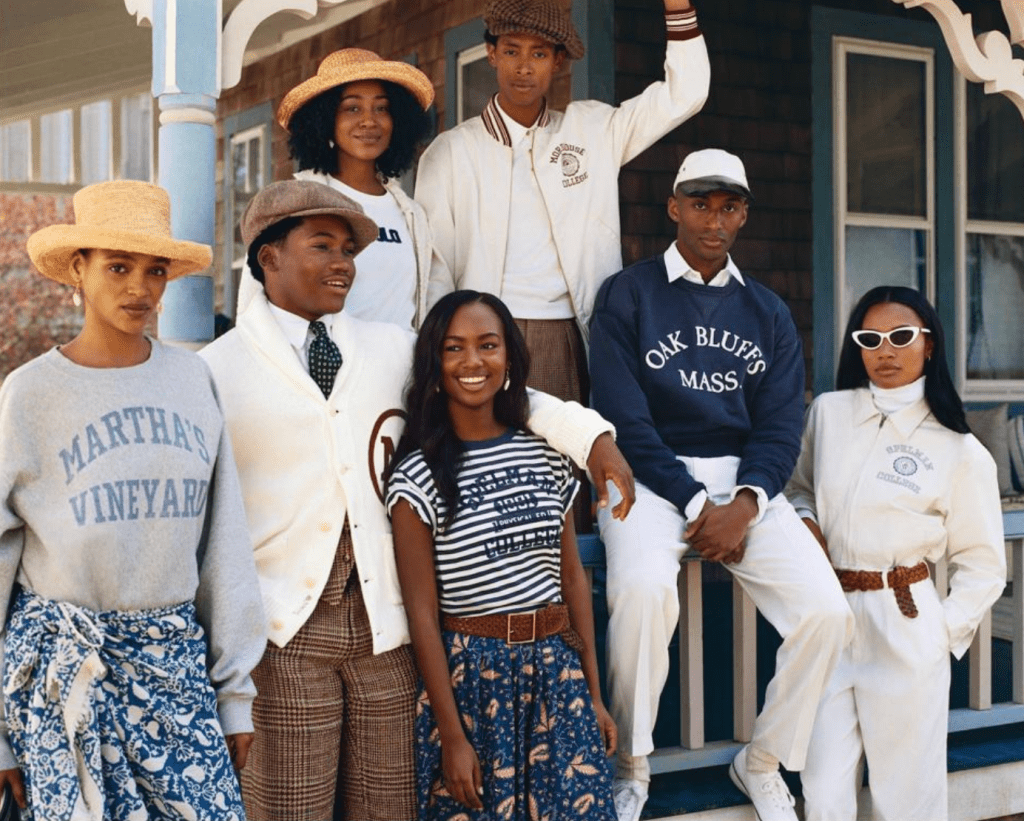
I have been going to Martha’s Vineyard almost every summer since I was two years old. I feel eternally grateful for all the memories I have of spending cherished time with family and friends swimming at State Beach, eating clam strips from Nancy’s, and biking to catch the sunset in Menemsha. But, Martha’s Vineyard symbolizes something much larger than a site of summer leisure to myself, my family, and other Black tourists and inhabitants of the island.
Located off the coast of Massachusetts, Martha’s Vineyard is a rare space of Black generational belonging, community, and visibility. There is a long history of Black population on the island, dating back to the 18th century. It was a spot on the underground railroad and a popular gathering spot for Black politicians and civil rights leaders. Oak Bluffs is the particular town where many freed Black people and their descendents purchased property and built community. It remains a haven for many Black families–a place of escape, leisure, and love. Maya Angelou once described Oak Bluffs as “a safe place where we can go as we are and not be questioned.”
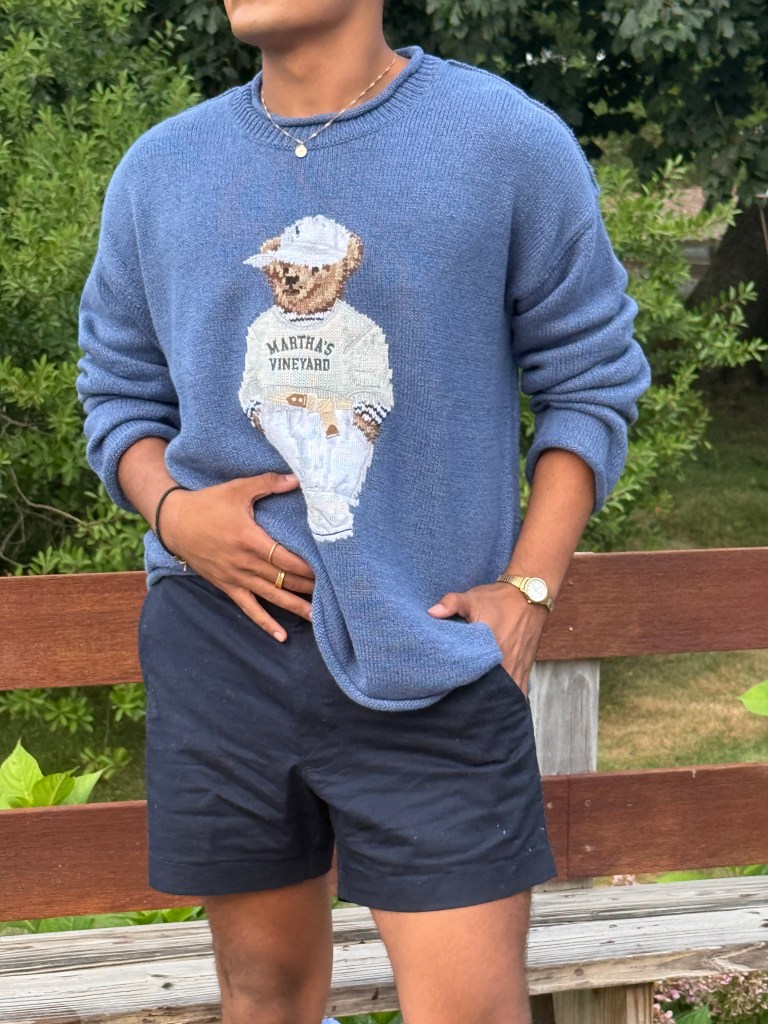
In July, Polo Ralph Lauren celebrated this heritage in their Oak Bluffs Collection. The collection proceeds a 2022 collaboration with members of the Historically Black Colleges and Universities Spellman and Morehouse. The Oak Bluffs line similarly worked with HBCU alumni who also have a history staying in Martha’s Vineyard. The collection was keen to highlight these family stories as much as showcasing the garments themselves. The campaign featured soft knits, linen trousers, and even a special edition of the iconic Bear sweater. The models, real members of the Martha’s Vineyard community, were photographed against the pastel cottages and beaches of Oak Bluffs. Polo Ralph Lauren’s collection is an homage; a dedication to the fruitful legacy of Black acceptance and community that is emblematic of Martha’s Vineyard’s identity. Ralph Lauren’s classic, preppy aesthetic merged with a distinctly Black heritage.
The collection comes at a time when Black American fashion is being discussed more, especially after May’s Met Gala that centered around Black dandyism. The associated fashion exhibition at the Metropolitan Museum of Art remains on display, chronicling the rich history of the Black dandy from slavery to the civil rights era to the present. Polo Ralph Lauren’s collection feels particularly relevant in this context. Overdue mainstream attention is finally being given to fashion’s crucial role in projecting Black identity.
Polo Ralph Lauren is a brand that has long been associated with a picturesque version of American luxury. The iconic Polo bear and American flag sweaters immediately come to mind. Lauren’s garments mold an iconic, distinctively American image into luxury canon. They evoke an almost cinematically nostalgic American dream– tweed blazers, quality wool sweaters, pristine ties, and shining loafers. Items that are associated with the picturesque Ivy-Leaguer, the east coast vacationer, the Wall Street tycoon, and the country club regular. While elegant, idyllic, and comforting, Lauren’s version of luxury, much like that of the American dream itself, has often been associated with and achievable for an exclusive, white audience.
The Oaks Bluffs and HBCU collections importantly expand and clarify what the American dream actually looks like. As Robin Ghivan says in an article for the Washington Post on the 2022 line, “For more than 50 years, Lauren has been writing a tale about what it means to be American. And now he’s made a significant edit. It isn’t so much a correction as it is a clarification.” The Oak Bluffs campaign continues this clarification, expanding the idea of American leisure, something that, for Oak Bluffs residents, signifies the result of a long fight for safety, freedom, and comfort in a country that often denies these necessities.
By highlighting the Black experience in these collections, the brand is reminding us that American luxury should not be bound to a particular narrative. Black people have been dressing this way for centuries. Black people have lived in, built, and defined this country for centuries. Black people are crucial to the American narrative; the stories, the food, the music, the dance, the language, and, of course, the dress. Ralph Lauren emboldens this presence, not only highlighting a specific community, but affirming a collective identity.
Through collaborating with HBCU alumni, Oak Bluffs residents, and Black historians and creatives, Ralph Lauren has painted a larger picture of the American ideal, recognizing the history of style and community that has always existed, but has been too often ignored in the mainstream idea of American luxury.
 cufashionsociety.com
Leave a comment