By Leah Goryakovsky
If you’re reading this, I assume that you already donate or are considering donating some clothing items. For this, I want you to take a moment and pat yourself on the back because you’re epically cool for contributing to the circular economy. After the moment has passed, continue reading, and be open to holding yourself accountable. While a clear increase in dedication to sustainable efforts and hopping on the bandwagon is commendable, it’s vital to do it responsibly. This article will detail some important disclaimers you should know before you donate your clothing.
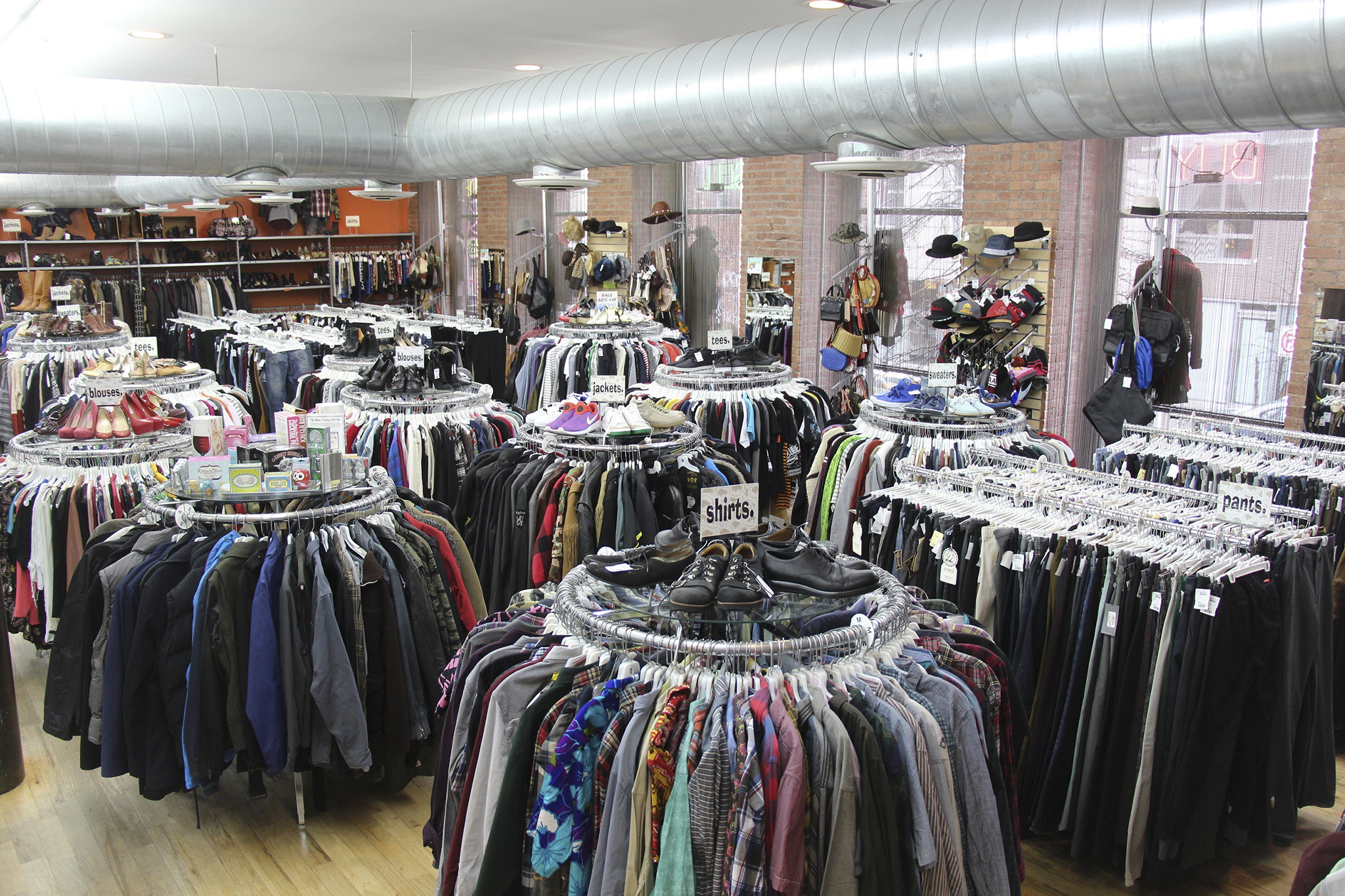
While there will always be a market for secondhand clothing –especially with the immense display of interest from Gen Z – it is crucial to note the importance of slow consumption. You’re probably thinking: Leah, just get to the point, please… Ok, ok. Roughly 700,000 tons of unsold secondhand clothing get shipped overseas annually, and then sent to landfills in Ghana and Chile. Over 50,000 tons of clothing end up in these countries’ landfills. Not only are these regions carrying the burden of everyone’s inattentiveness, but this puts them in a position where they have to burn clothes to keep up with capacity, furthering the climate crisis. Burning these discarded clothes releases carbon dioxide and other greenhouse gases into the atmosphere, exacerbating global warming.

The rise of fast fashion leads to a significantly lowered lifespan of an article of clothing, which feeds into a cycle of hyper-consumption. Hyper-consumption results in absurd rates of unusable clothing that needs to be discarded. As a majority of consumers are purchasing items designed to be cheap and low-quality quality, secondhand shops and donation sites end up disposing around 40% of all of the clothing sent to them. The secondhand clothing industry is now experiencing an overwhelming influx of clothing that will have detrimental and irreversible effects on the health of our planet.
This is a call to action. Studies show that people are consuming 60% more clothing than ever before. In addition to this increase in consumption, we wear our clothes for half as long. An analysis of these statistic shows that a cheaper price doesn’t always save you more in the long run. To conclude: please, please, please don’t feed into the 52 micro seasons filled with over-saturated trends that fast fashion companies and influencers are pushing onto you. It is not only important to consider where our clothes come from, it’s also crucial to consider where they might end up. Some next steps can be to wear your clothes longer, and try to only donate items of quality that you are certain won’t be discarded for damages. I promise you’d look much sexier rocking an outfit that you know played a role in helping out the planet 😉
 cufashionsociety.com
Leave a comment