by Eva Brander Blackhawk
Eva: What does fashion mean to you, and how would you describe your personal style?
Williams: Fashion is art. Sounds cliché but it’s true. I see fashion or style in a broad sense like Lincoln Logs. Here are the pieces, now put them together and make something unique and personal. I loosely believe in the simulation theory and i look at getting dressed on a daily basis like “designing my avatar”.
Im not sure how i would describe my personal style. I stay close to neutrals and earth tone and ALWAYS dress for comfort. I struggle with anxiety and wearing bright colors makes me feel like I’m drawing unwanted attention. It’s ironic considering my art is known for dramatic use of color. I guess it’s a balance.
E: Who are some of your idols or artists you admire and why?
W: David Lachapelle. He has a way of story telling with his work that i really admire. His images, while aesthetically and visually pleasing, make you feel something that can’t really be described. His series Jesus is my Homeboy helped me through a lot of religious trauma and reframed my relationship with the church.
E: I see your main media is photography, but much of your work includes elaborate costumes and staging. Could you tell me more about your process?
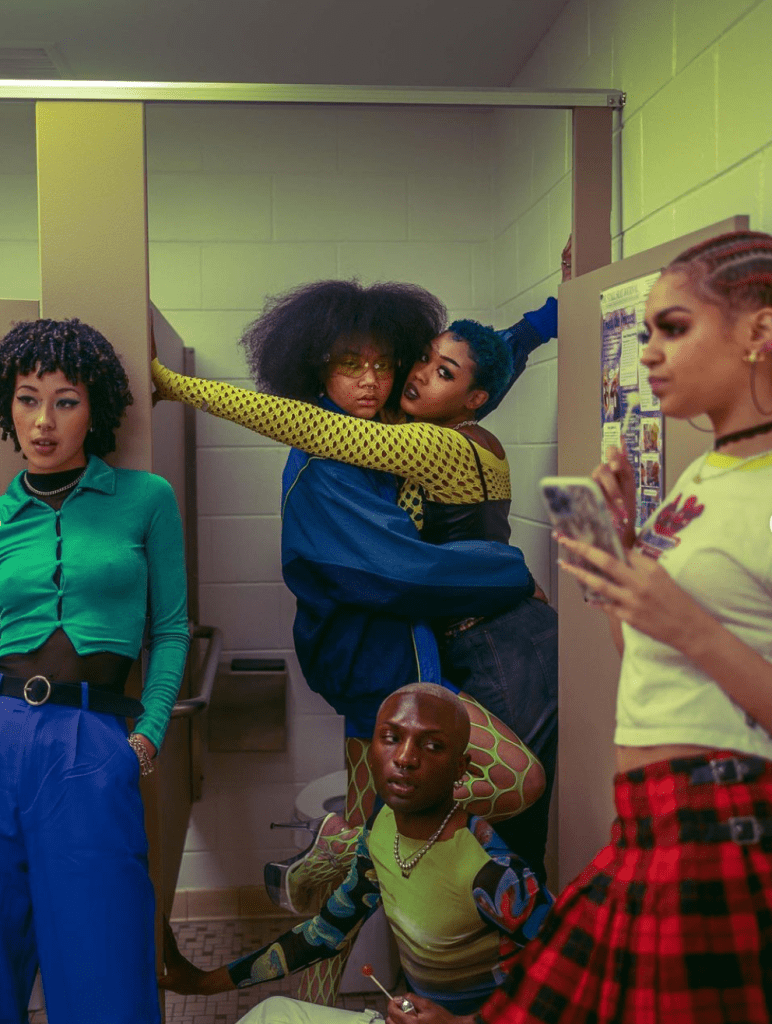
W: Yea so once again it’s because of Lachapelle. I try to create a completely immersive scene to try and tell a story. I’m still experimenting to find my personal flavor. I’ve found that sometimes I’ll go so heavy on the scene and costuming that the story is muddled and other times where it’s too minimalistic and the story is absent. Inspiration for a shoot can literally come from anywhere. For my Coneheads series, I was doing a paper on “white flight” and assimilation and got inspired. The movie Coneheads was playing in the background and I started reflecting on my own experience as a black person who grew up in predominately white suburbs. I connected with the coneheads desire to fit into the community they were in but never quite able to do so because of this overtly obvious trait.
E: I see several of your projects are reflections on the year 2020 both Color Theory, Faces of Fear, and Black Lives Matter. Can you tell me more about where you draw inspiration from?
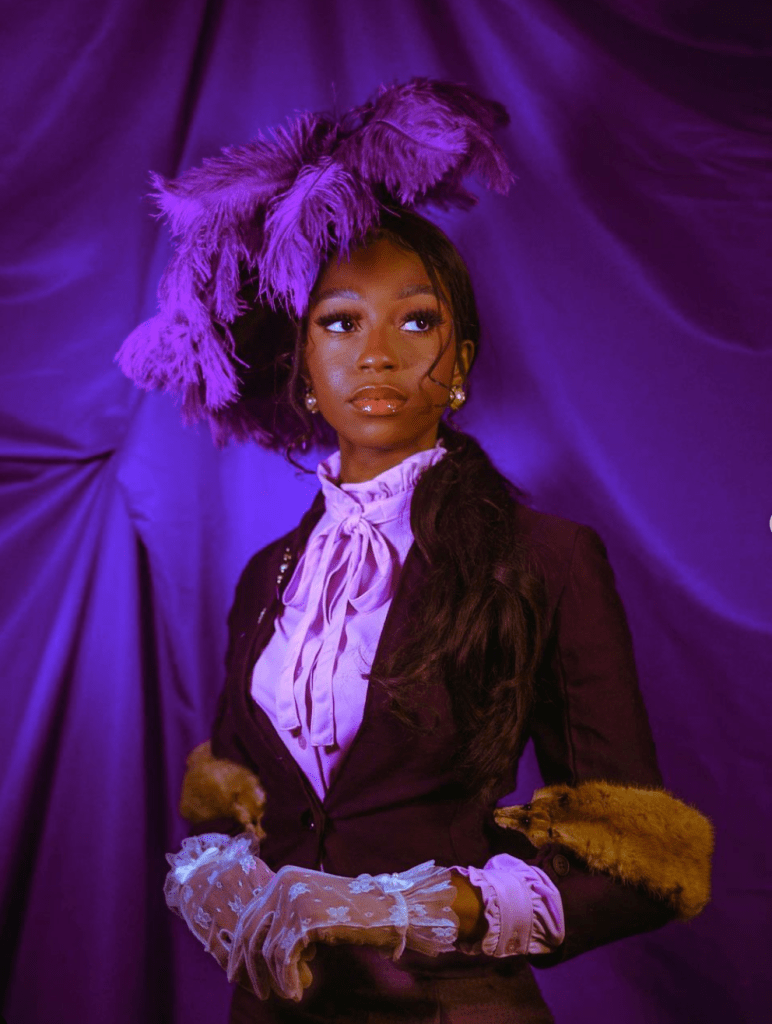
W: Yea so each project had a different source of inspo. The Black Lives Matter series was my response to the lynching of George Floyd and the continued violence against black people and POC. I just wanted to capture the raw humanity of the moment. 2020, especially the summer, felt so helpless and I felt like I had to do something. So i made art.
Color theory was my way of working through a creative block. Like i said 2020 was rough and being creative was the last thing on my mind. It was a way for me to compartmentalize everything i was feeling in order to address what i was feeling. Looking back, I don’t necessarily like the series nor do i think it’s even close to my best work but it helped me work through a lot of baggage and for that I’ll always appreciate it.
Faces of Fear is probably the series I’m most proud of. 1 because I literally went into an environment that wasn’t too keen on my radical, gay black self being there but also because it allowed me to see something I had never considered. Often times we think of 2A diehards and Trump supporters as nothing more than ignorant bigots (which is true in a lot of cases if not the majority of cases lol). But there’s an aspect think we often fail to see. These people are scared. A lot of times just scared of losing their racial, economic, gender, or religious privilege, but scared nonetheless. And I think if we approached them as scared people rather than just opponents to defeat and silence we may be able to make some real change. Now that’s not saying it’s our job to tolerate any form of bigotry, but I think if we tried to educate as opposed to just “stick it to em” they would be more receptive than we think.
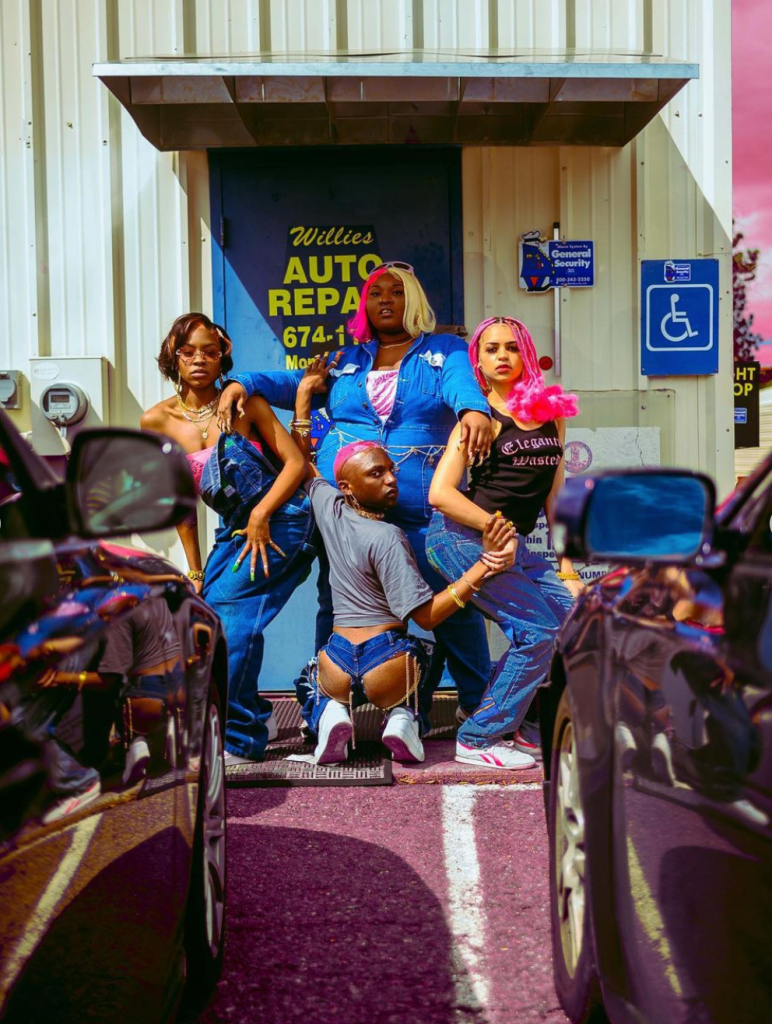
E: Can you tell me more about “Ghetto Visionary”?
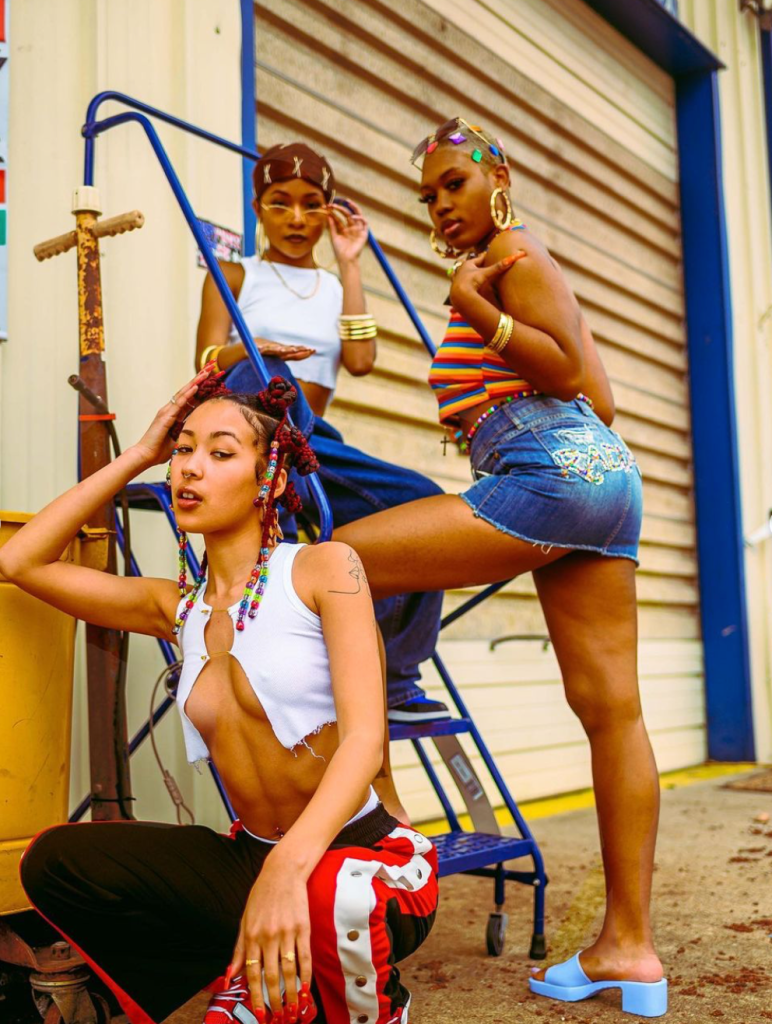
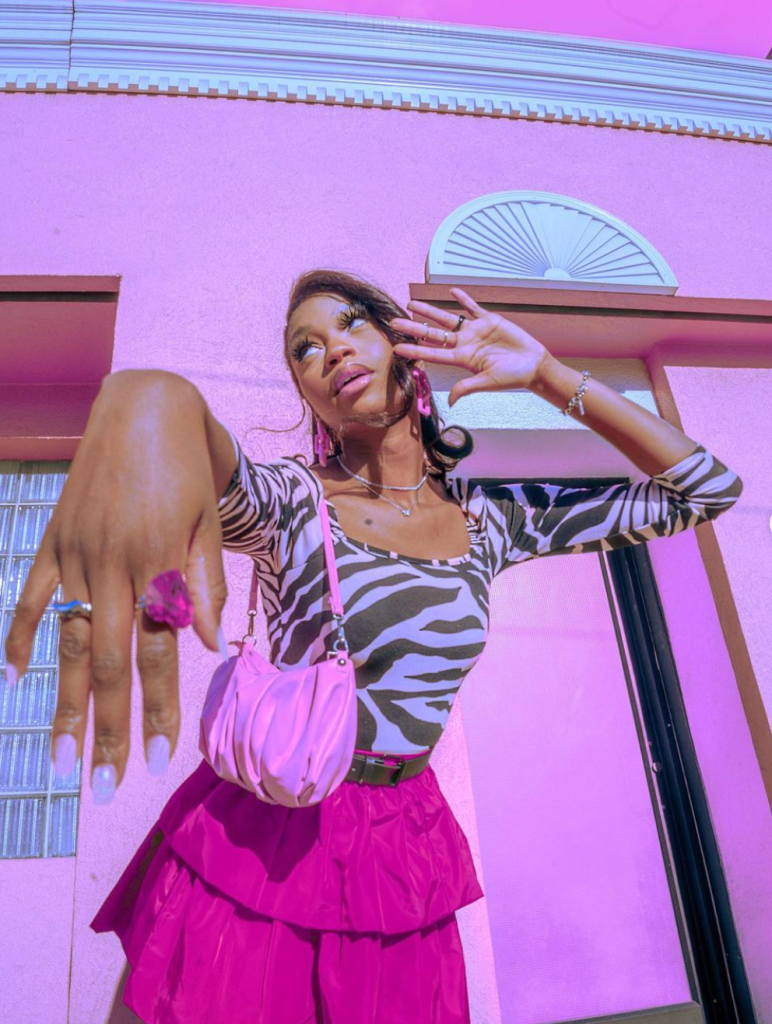
W: All credit has to go to the leadership of Statement Modelz especially the stylist, Lauryn Lynch. My roommate, Kayla Lubin, is the President, and together with the rest of the “E-Board”, they designed and organized the entire shoot. I actually just woke up the morning of the shoot, saw 20 people in my living room getting into hair and makeup and said “wait a minuttteeeee” lol. So I just grabbed my camera and got to work. They said the shoot was meant to reclaim and uplift the styles black people created in the 90s and yearly 2000s (and were heavily criticized for) that have now come back into the mainstream. We see this happen all the time. When black people do it it’s seen as distasteful and “ghetto” but once others copy our creations it’s “groundbreaking “ and “fashion forward”. Appropriation 101.
E: I noticed that most of your work is portraits, what about portraiture interests you?
W: Portraits for me are little time capsules of the moment. I started photography by just taking iPhone photos of my friends after we would get ice cream “for the memories”. As I’ve grown and my photography’s grown I’ve kept that with me. Every shot has a memory attached to it.
E: What are some of your artistic goals and what do you hope people take away from your work?
W: I have a lot of goals (all of which I will achieve in this lifetime) but the most important one for me is creating a project as profound as Gordon Parks’ Invisible Man. I’ve got a lot of opinions, a solid education, and a gift. I don’t think I was given all these things for no reason. Like Little Richie once said, “I’m not conceited. I’m convinced”.
E: Where do you see your work going in the future and are you working on anything new right now?
W: No idea but the sky’s the limit right? Right now I’m just working on graduating from school. I don’t do well when i have too many plates spinning so I’m just trying to focus on my degree at the moment.
Be sure to follow their work @milliamss on tiktok, @milliamsphotos on instagram, and https://www.milliamsphoto.com/shop?page=2
 cufashionsociety.com
Leave a comment