by Eva Brander Blackhawk
Eva: What does fashion mean to you, and how would you describe your personal style?
Anna Cain: My idea of slow/sustainable fashion comes from a lot of Kate Fletcher’s work around ‘alternative fashion’ which she describes as: “Fashion that fosters ecological integrity and social quality through products, practices of use and relationships. A more authentic, flexible and interconnected view of fashion, people and the world. Fashion that helps us engage, connect and better understand ourselves, each other and our Fashion that engages with a process of flourishing of human and non-human species.”
and also informed by Sustainable Brooklyn’s definition of sustainability:

My personal style is very vintage inspired since I only shop second hand. The ‘La Garconne’ style of the 20s and similarly twiggy-esq style in the 60s lead me to cut my hair. I love the floral prints of the 70s, antique lacy undergarment slips, mini skirts, and anything with a crafty home-made feel.
E: I see you’re involved in lots of different art forms, could you tell me more about what different things you do?
A: I’ve explored different art forms throughout my life, painting/drawing, dance, theater, fashion. I went to school for fine art originally then switched into the interdisciplinary major as I began to express visual art with creative, sustainable materials. I realized that textiles was the best way to categorize most of my work since it balances between art, fashion and science in my case. And with the state of the climate and my age it just felt imperative that I go into sustainability or environmental studies even if my focus is on art.
E: Who are some of your idols/artists you admire?
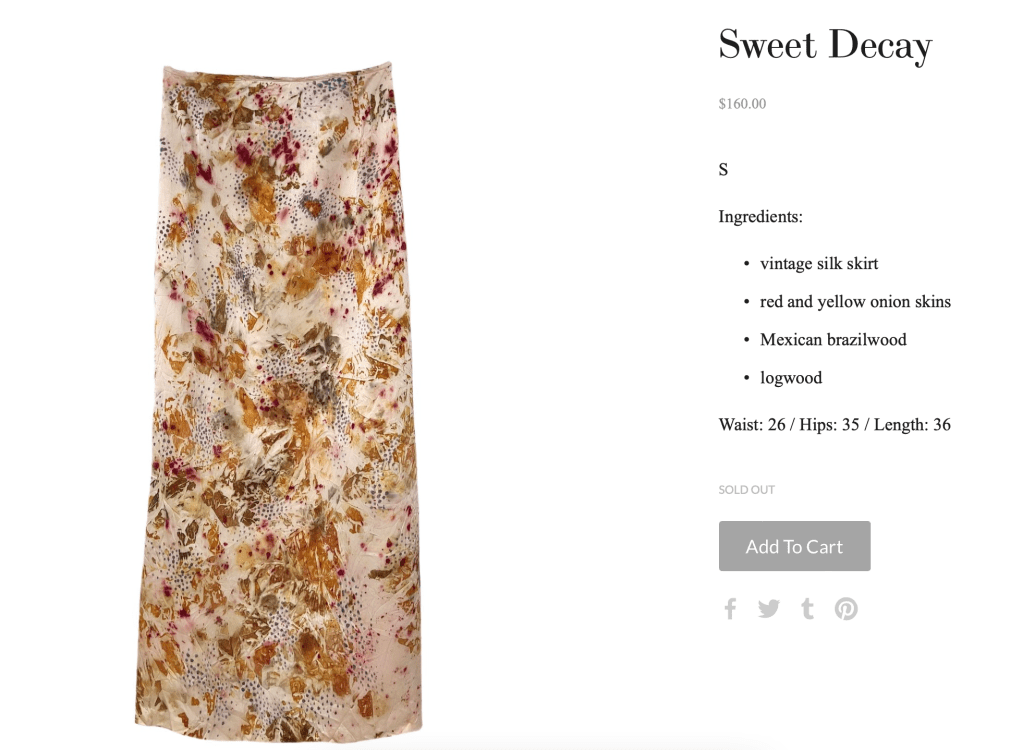
A: Natsai Audrey Chieza with Faber Futures, Neri Oxman’s leadership at MIT media Lab, Iris Van Herpen aesthetically. I love what Genspace is working towards with accessible community science and Ginkgo Bioworks with their creative biology messaging.
E: Your love of biology and all things slimey and microbial really shows in your work. Can you tell me about where you draw inspiration from?
A: I take a lot of inspiration from the smallest structures that make up our world – cell structures, bacteria, as well as natural patterns I’ll see walking around. I love the way art nouveau style brings nature into human design so that’s a big influence for me. And then a lot of my work is just letting the process guide the aesthetics, leaning into whatever unexpected texture or color the home-made science experiment creates.
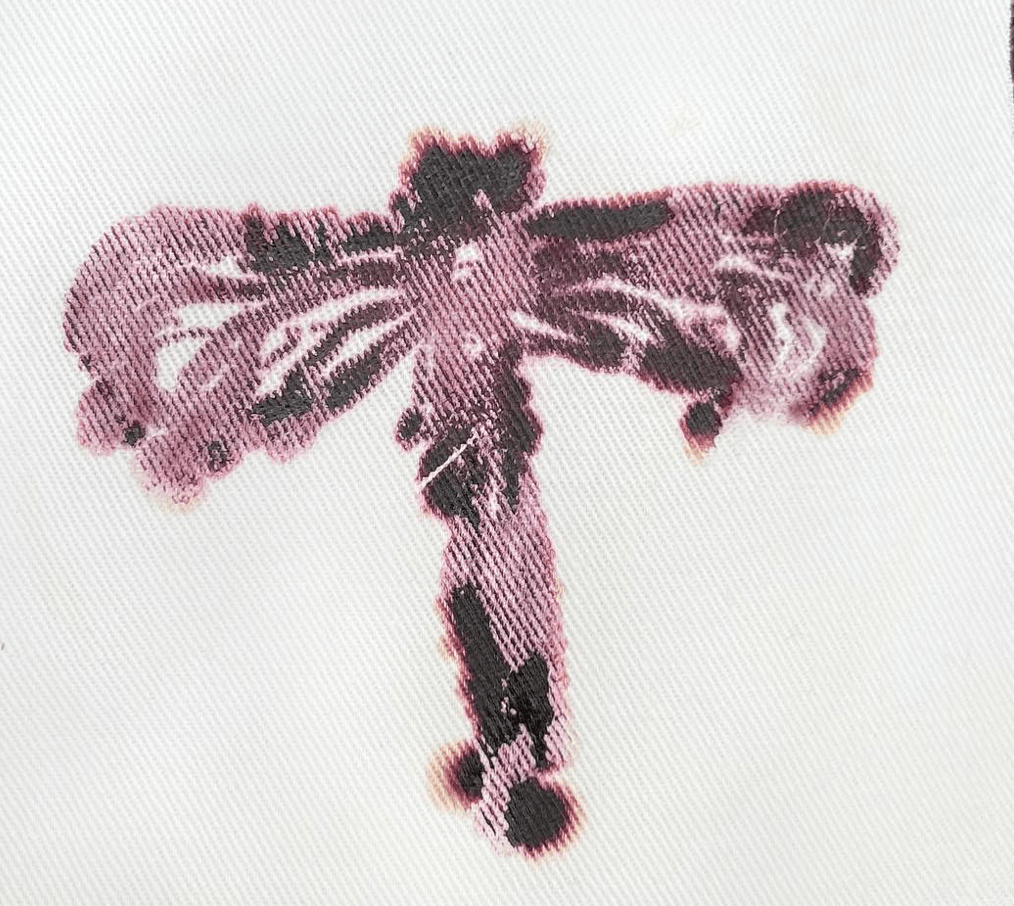
E: Looking at your website this principle really resonated with me: “treating clothing as an extension of our skin and therefore a factor of holistic wellbeing”. Can you elaborate on that?
A:Yeah, so with that I was thinking about how there has been a huge shift towards organic produce and natural skin care, but our clothing, sheets and upholstery touches our skin every day too and often contains toxic dyes and chemicals. A lot of the boundaries we imagine do not really exist, we’re one porous and shifting piece in an ecosystem. For a healthy future we need to phase out these harmful chemicals in all of our products ~ and further, replace them with compounds that can promote healing
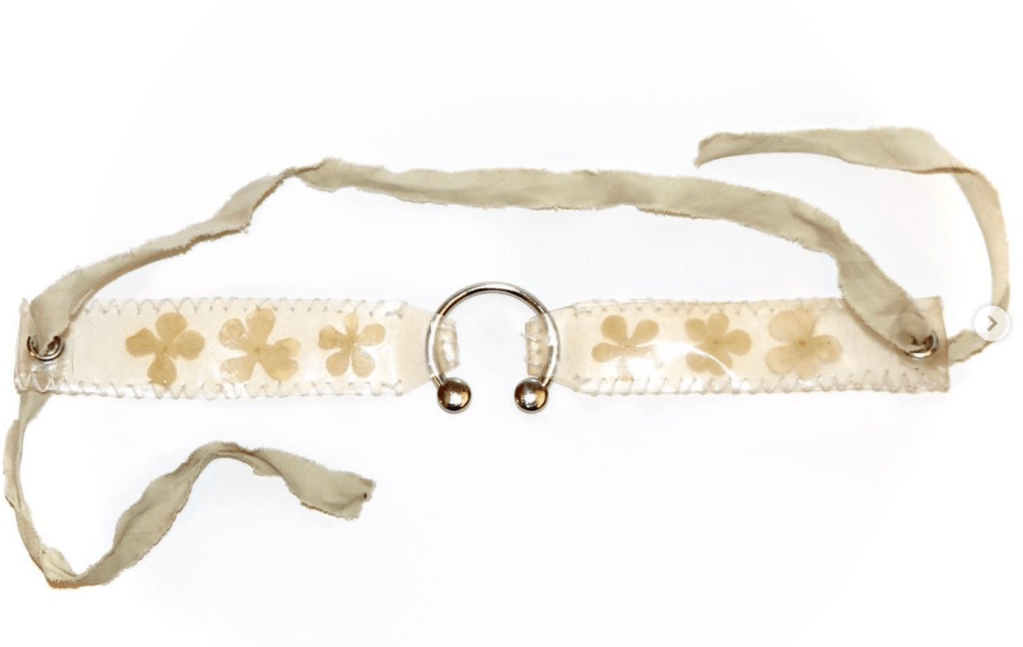
E: I’m especially interested in your ability to grow and utilize alternative materials such as scoby and bioplastics. Can you tell me about your process and where you see the future of these materials going, especially in the fashion industry?
A: The scobys are a component of my craft: building bioreactors at home as a fashion practice. It’s about creative local production, so local that it can happen in your kitchen. I hope to see the fashion industry phase out synthetics and diversify natural materials, especially ones that can be made from low resource powerhouses like bacteria, or fabricated from waste products of other industries. I think bacteria is a fascinating vessel for resource production for the future, especially with the possibilities of synthetic biology. Microbial and Fungi materials are on the rise, mostly with bio startups pitching to high fashion brands, so it’s cool to see how they can be made, accessably, at home.
E: What is it like caring for silkworms?
A: Caring for silkworms isn’t too difficult task-wise but it has definitely become a huge part of my lifestyle. It’s like having a pet, through each little act of care like feeding them and cleaning up after them they become important in your life. I’ve learned so much about them and myself through them!
E: Where do you see your work going in the future and are you working on anything new right now?
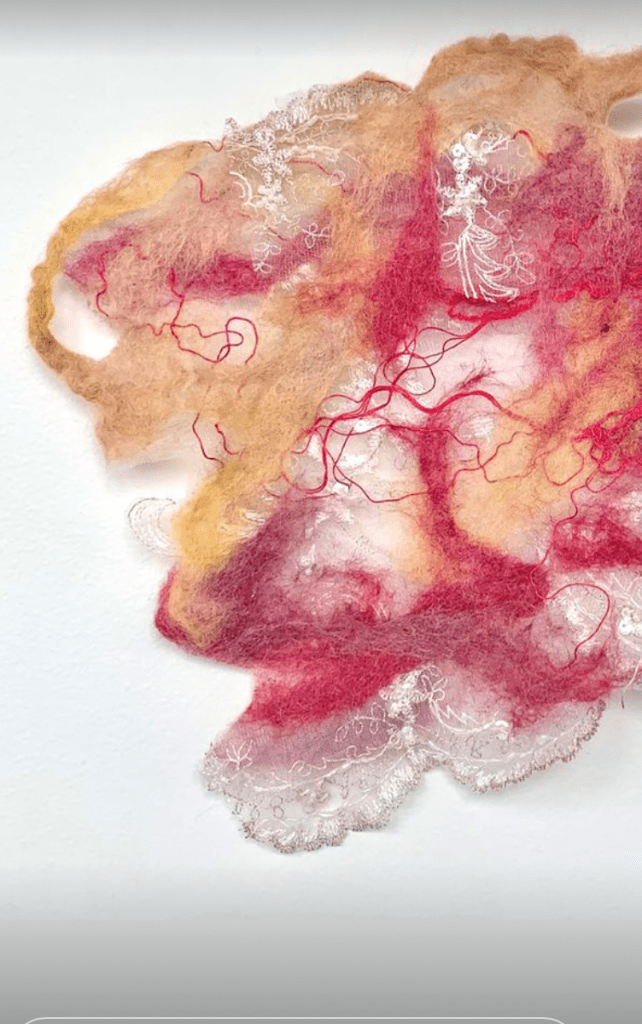
A: Right now I’m grinding on my thesis project which involves the silkworms. The project will be on display, along with some other bio projects in an art exhibition I’m putting together for 5/28. Then I’ll be graduated and hopefully go full time with making and selling my upcycled clothing and teaching workshops before my post graduate program. I’ve applied to a future-textiles 1 year program abroad. I’m just launching on this adventure of seeing if I can support myself as a “bio artist” and I guess finding out what that title means as I go!
Follow their work @sugar.and.sliime on instagram, @sugarandsliime on Tik Tok, and on their website https://sugarandslimebiodesign.com !
 cufashionsociety.com
Leave a comment